Snowkiting: what it is, where to do it and the equipment needed for this extreme
  The 7 best kites of 2025
  Surfskate: what it is, how it works and how to choose the ideal surfskate board
  How to choose a Wing Foil board: a guide for beginners and intermediate riders
  The 5 best all-round wing foil wings of 2025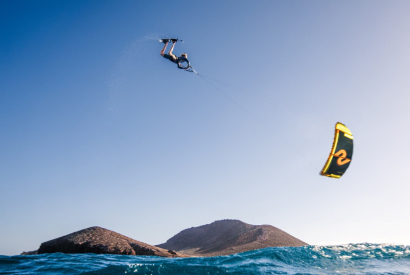
The show of Big Air Kitesurf: stellar jumps and impossible tricks
If today kiteboarding is experiencing a new popularity and attracting thousands of practitioners around the world, it is also thanks to the Big Air discipline, an extreme dimension of the sport that expresses all the best of it in terms of show and adrenaline.
Jumps to stellar heights, spectacular aerial maneuvers, adrenaline pumping and a show that always leaves you breathless. These are the ingredients of Big Air, the new extreme discipline of kitesurfing that for the past few years has launched the sport and its huge community of enthusiasts and practitioners into a completely new, certainly wild and incredibly rewarding dimension. This is accompanied by a “new wave” of dedicated international competitions, champions competing in the world's most extreme spots, and equipment such as wings, boards and bars that were created with the specific goal of allowing all riders to jump as high as possible.
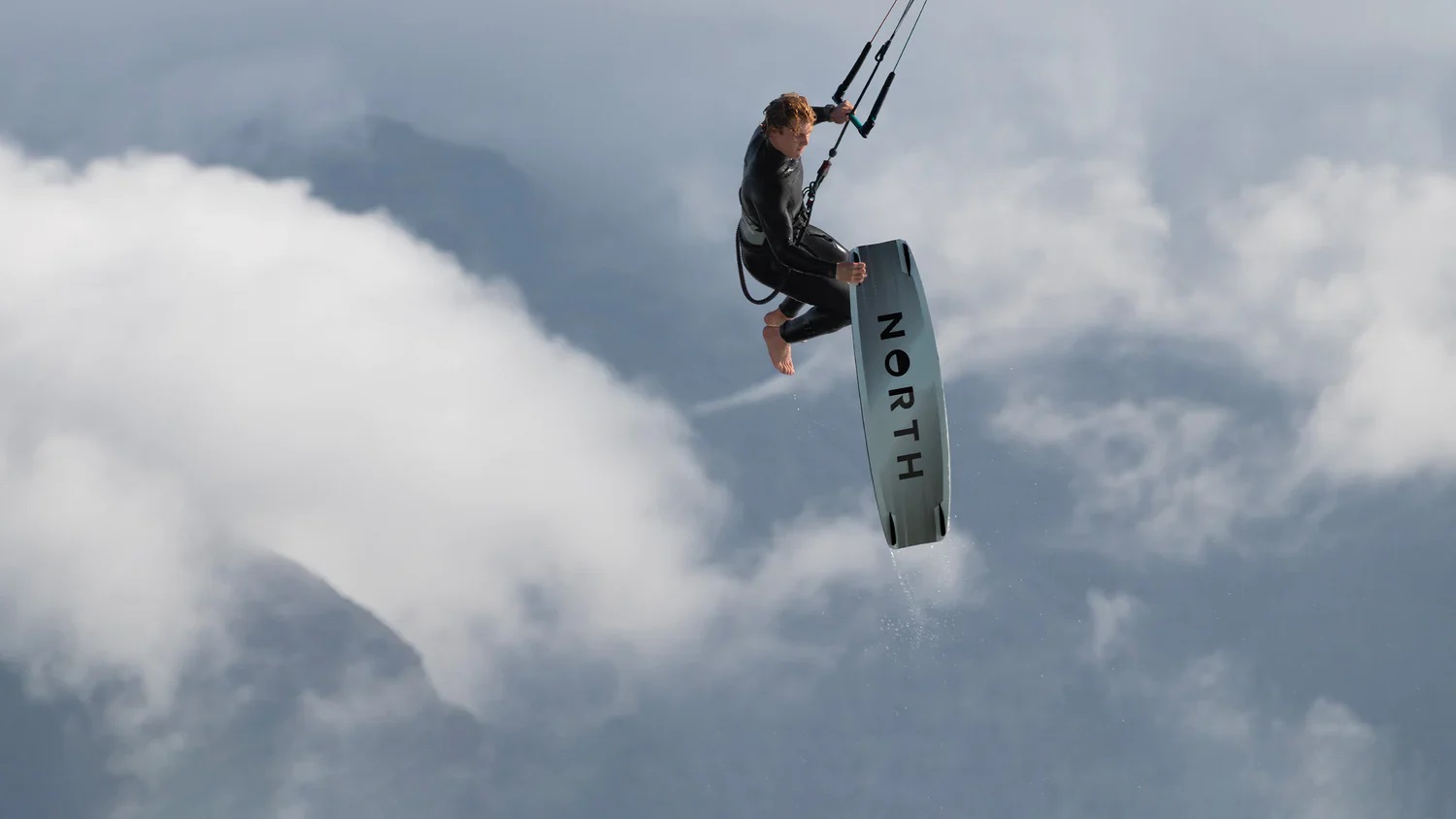
Started as yet another extreme variant of kiteboarding reserved for a select few, Big Air has become in just a few years the number one discipline of the sport that has gained all the media attention, market dynamics and an avalanche of new enthusiasts who even as mere beginners when they approach kitesurfing from the very beginning put one thing in their minds: to fly and jump as fast and as high as possible.
Let us see, then, what exactly Big Air Kitesurfing consists of, how and when it was born, what kitesurfing maneuvers and techniques have marked its evolution, and the main current champions of this discipline.
Big Air: the most extreme dimension of kitesurfing
Since its appearance, one of the great attractions of kitesurfing that immediately won over lovers of the sport was the great ease of gliding at high speeds, sailing in all directions and, above all, performing jumps in the waves. Thanks to the tow of the kite, in fact, these performances were truly within everyone's reach and absolutely incomparable to other disciplines, such as surfing or windsurfing. In kitesurfing everything is easier and more immediate, especially if you first take a look at our article where we explain what kitesurfing is and what the basics of the discipline are in order to get off on the right foot on the board.
Originating as a simple trick, the kiteloop is now one of Big Air's signature manoeuvres. With the evolution of this style, Big Air has turned the loop into a fundamental technical element, focusing increasingly on extreme, powerful and spectacular jumps.
Kitesurfing transitions are also a technical and structural component of the new Big Air Kitesurfing discipline and allow the rider to develop awareness in handling the kite in extreme conditions. Through strong wind conditions, but also through specific jumping techniques and 360-degree kite rotations, such as the legendary “Big Kite Loops”. All followed and accompanied by new manoeuvres and tricks in “air” mode, even more difficult, exciting and high-risk.
Big Air enthusiasts, now as then, always seek the most extreme wind conditions possible and are able to perform jumps that can measure up to more than 30 metres in height and cover a distance in the water equal to 3-4 football pitches.
How the ‘Big Air’ was born: Lenten’s vision
Often behind the evolution of a sport is the courage, mentality and desire to push beyond one's limits of a particular athlete. For Big Air, the rider in question is undoubtedly Dutchman Ruben Lenten, kiteboarding legend and inventor in 2003 of one of the discipline's most iconic manoeuvres: the Megaloop. This is a complete 360 degree rotation of the kite in the air at increasing heights. It was this manoeuvre that opened a new dimension to kitesurfing and gave rise to the real “Big Air”.

Many years later, in 2017, through a series of additions, variations and evolutions of that same manoeuvre, Denmark's Nick Jacobsen perfected it by adding the so-called “board off”. Basically, it consists of launching the Megaloop, then taking your feet off the footstraps of the board by grabbing it with a “grab” on the central handle. In this way one finds oneself flying in the air, completely free, and adding considerable difficulty to the jump. At that point, the goal is to put the board back on your feet a moment before landing back on the water and continuing the glide. An absolutely insane challenge for the body and the mind, but one capable of delivering incredible thrills and an uncommon adrenalin rush.
New manoeuvres and a market that exalts the “Big Air”
From the “board off” onwards, the Big Air Kitesurfing technique has further evolved and perfected over the years with the addition of other variations in kite spins, such as the S-Loop and the Double Loop.
The S Loop consists of a Megaloop that is then stopped to make another loop in the opposite direction.
The Double Loop, on the other hand, continues to rotate the kite in the same direction as the first Kiteloop to perform two rotations of the kite in the air.
In the meantime, in response to riders’ need for new performance in “Big Air”, the market, brands and design studios have also started churning out kites, bars and boards specifically for this discipline. The aim is to develop equipment that is increasingly efficient in loops and their response time, to allow riders to jump higher and higher and with greater and greater “hang time”.
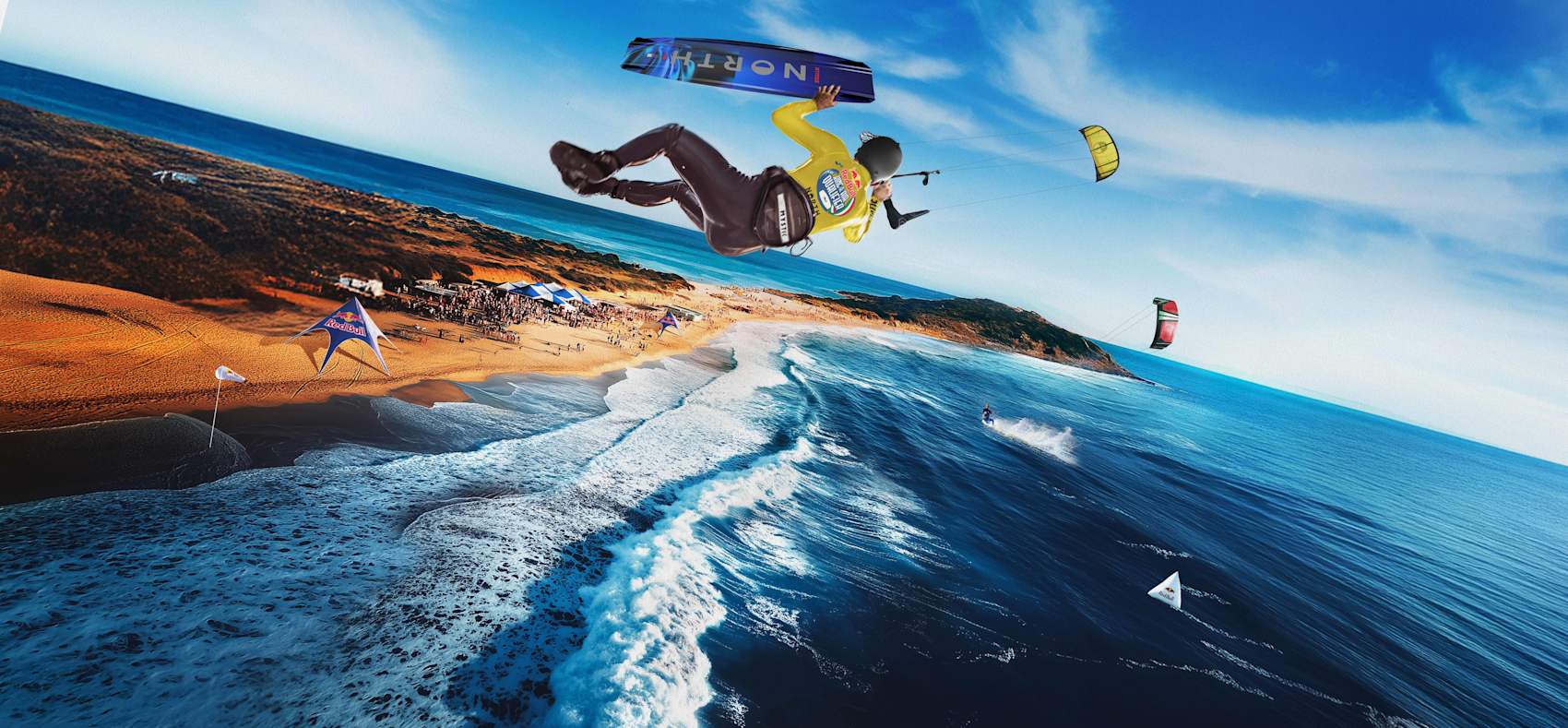
Big Air specific kites: everyone wants them
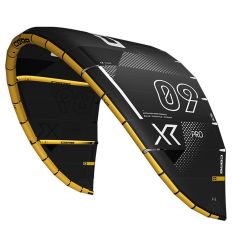
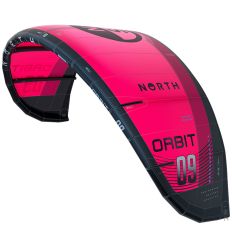
Today, practically all international kitesurfing brands have new kite, bar and board models specifically dedicated to”‘Big Air” in their catalogues and are constantly updating their products to offer customers ever greater performance, control and fun. Suffice it to mention, in terms of kites, Core's Pace and XR Pro, Cabrinha's Nitro , Naish's Pivot, Duotone's Evo D Lab and Rebel SLS or North Kiteboarding's Orbit.
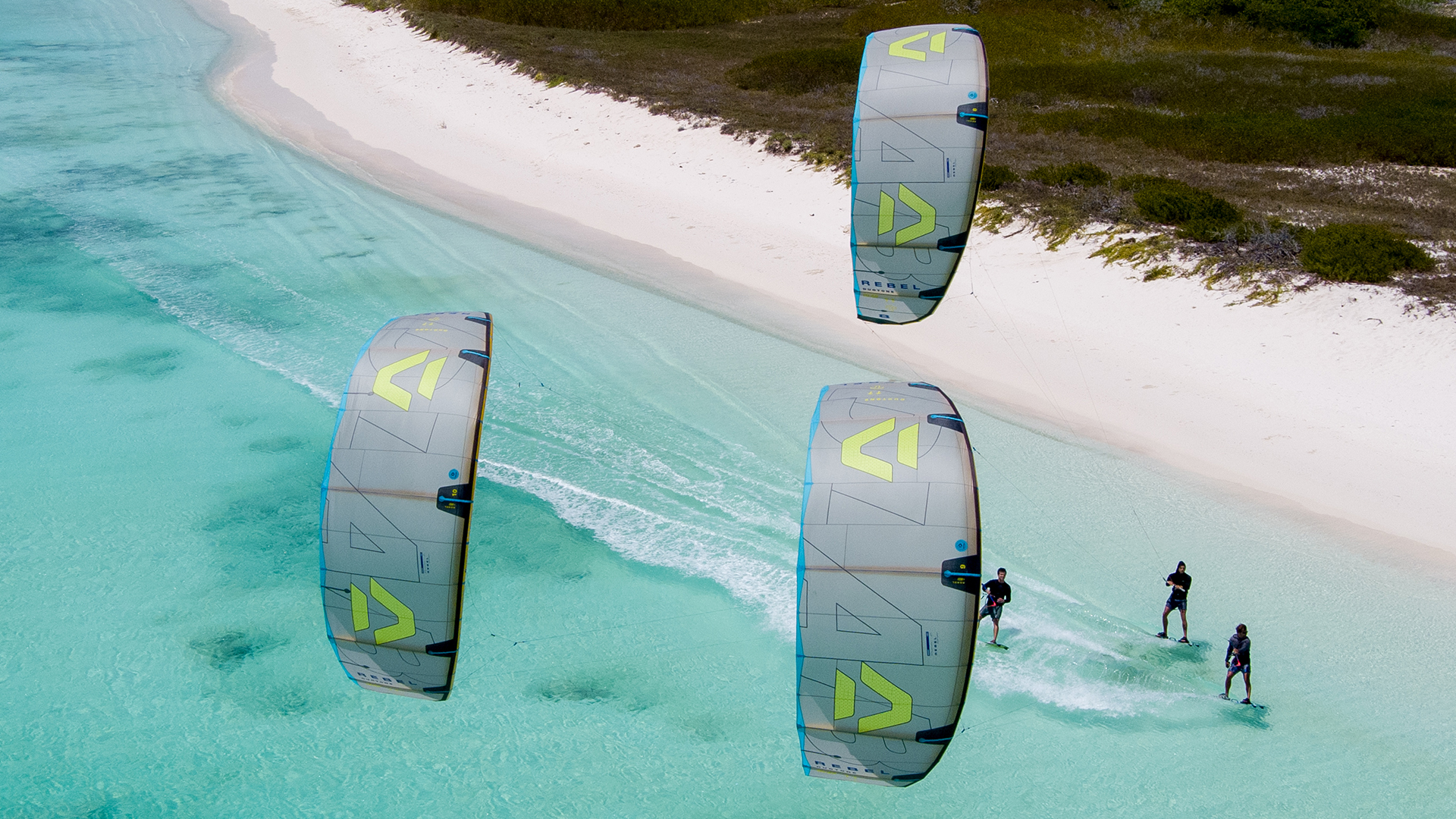
The development of this new kitesurfing equipment actually opens the door to many more practitioners who are attracted to Big Air. And what used to be a dimension of kiteboarding reserved only for experts and veterans of the sport is now much more accessible to every intermediate practitioner.
Big Air competitions and the generation change
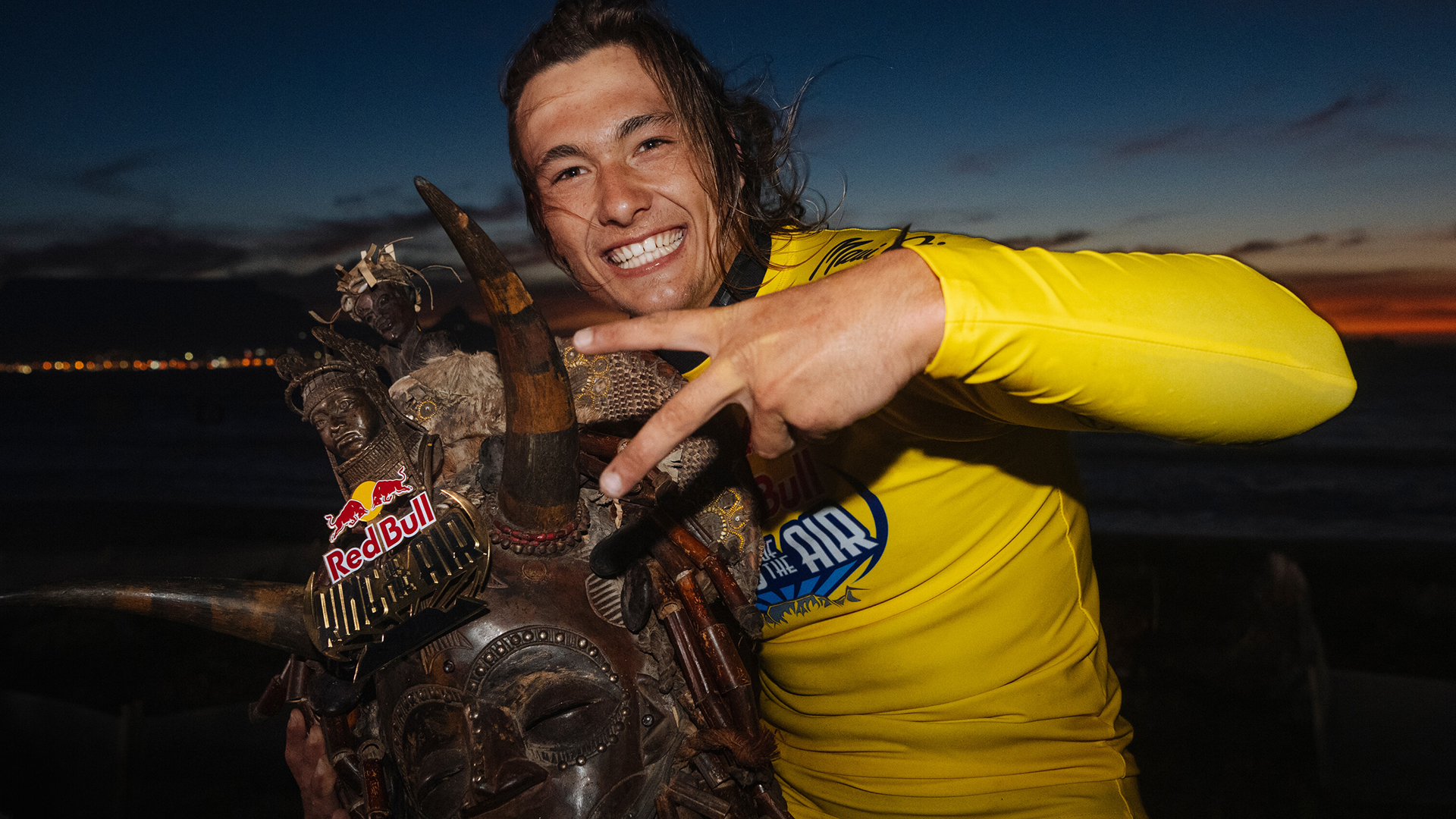
In the meantime, Big Air tricks continue to improve and inflame the spirits of enthusiasts thanks to specific competitions in famous kitesurfing spots, such as the “Red Bull King of the Air” held every year in Capetown, South Africa, or the “Megaloop Challenge” and the “Big Air Kite League” World Championship itself, which express the state of the art of the discipline with champions from all over the world, including very young ones, in the male and female categories.
Currently among the world's top Big Air Kitesurf riders are Andrea Principi, Lorenzo Casati, Edgar Ulrich, Kimo Verkerk, Finn Flügel and Jeremy Burlando. Among the women are Mikaili Sol, Francesca Maini, Alice Ruggiu, Sarah Sadek and Pippa Van Iersel. All young, talented and hungry for results and titles, they are creating what is considered to be the new school of Big Air and never stop inventing new variations of existing tricks or even creating new tricks that until a few years ago were considered impossible.
The future of Big Air Kitesurf is bright
In short, among the various disciplines of kitesurfing, Big Air has radically transformed the sport, becoming an exciting, innovative and increasingly accessible showcase. What started with the creativity of courageous pioneers, such as Ruben Lenten, has evolved over time with increasingly radical manoeuvres, such as the Megaloop, “board offs” and Double Loops, and has finally unleashed a real revolution in the sport.
The development of increasingly efficient materials and the growing participation of young athletes keen to push the limits have meant that Big Air Kitesurf is now the most spectacular and popular dimension of kiteboarding in terms of competitions, personalities and trends. The horizon is still wide open and, we are sure, still full of surprises.
PHOTO CREDITS
Photo 1: BOARD OFF
Photo 2: RUBEN LENTEN
Photo 3: BIG AIR
Photo 4: ALI BIG AIR DUOTONE
Photo 5: ANDREA PRINCIPI