 Snowkiting: what it is, where to do it and the equipment needed for this extreme
  The 7 best kites of 2025
  Surfskate: what it is, how it works and how to choose the ideal surfskate board
  How to choose a Wing Foil board: a guide for beginners and intermediate riders
  The 5 best all-round wing foil wings of 2025
Wetsuit Maintenance: how to extend the life of your gear
Buying a neoprene wetsuit is a fundamental investment to get the most out of your favourite water sport.
For those new to surfing, kitesurfing, windsurfing, wing foiling or stand up paddleboarding, choosing the right first wetsuit makes all the difference in terms of comfort, protection and safety. The same attention should be paid to choosing a winter wetsuit, designed to cope with colder temperatures without compromising freedom of movement.
If you haven't found the perfect wetsuit yet, you can discover wetsuits for women, men and children in our shop, all designed to ensure optimal thermal insulation and maximum flexibility.
But quality alone is not enough; proper maintenance is what really makes the difference. Washing, drying, storing and, when necessary, minor repbairs allow the wetsuit to maintain its performance over time. Neglecting these precautions can reduce the thermal insulation and flexibility of the neoprene, compromising your experience in the water and forcing you to replace your wetsuit much sooner than expected.

Washing your wetsuit after each session
How often should you wash your wetsuit? Washing should be done after every session and is the most important step in caring for your wetsuit. Salt, sand, sweat, sunscreen residue and other contaminants accumulate in neoprene, accelerating its deterioration. Delaying washing can quickly compromise the efficiency of your wetsuit.
To wash your wetsuit properly, use only fresh water, preferably cold or lukewarm at most. Hot water can irreversibly damage the structure of the neoprene, making it stiff and brittle.
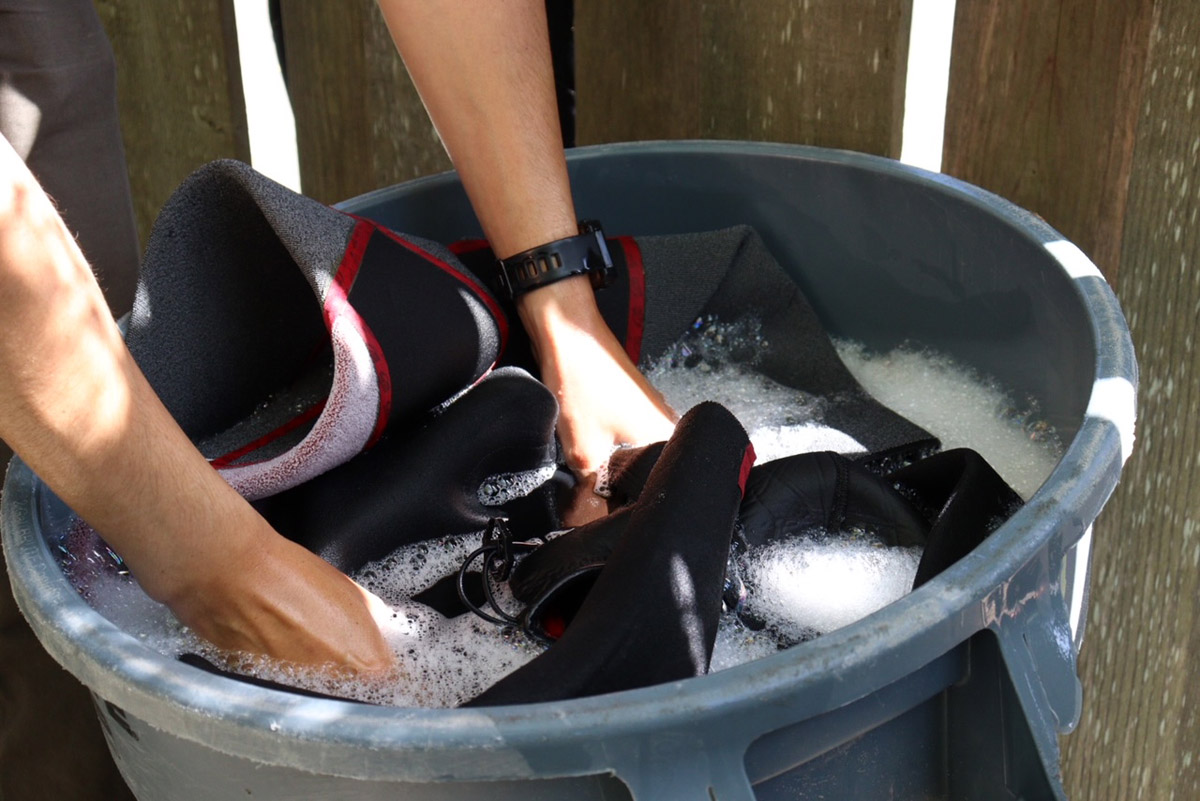
Rinse both the inside and outside of the wetsuit thoroughly, paying particular attention to delicate areas such as seams, zips and areas in contact with the skin, where dirt tends to accumulate most. You can either submerge the wetsuit completely in a tub or use a gentle water jet, making sure to reach every corner.
Specific detergents for wetsuits: when and how to use them
In case of particularly stubborn dirt, bad odours or after a long period of disuse, you may need to clean your wetsuit more thoroughly.
Use specific neoprene detergents, formulated to effectively remove dirt, bacteria, algae and organic residues without damaging the material.
Avoid using aggressive soaps, general detergents or bleach, which can alter the properties of neoprene and reduce its elasticity.
We recommend choosing eco-friendly, non-toxic detergents that do not harm the environment.
Can you wash your wetsuit in the washing machine?
The answer is yes, but if you choose to wash it in the washing machine, do so only occasionally and with extreme caution. Set the temperature to the minimum (maximum 30-40°C) and select a delicate programme for sportswear or wool, using a specific detergent for neoprene and, if possible, placing the wetsuit in a protective laundry bag. Also make sure that the detergent is completely rinsed out.
How to dry your wetsuit without damaging it
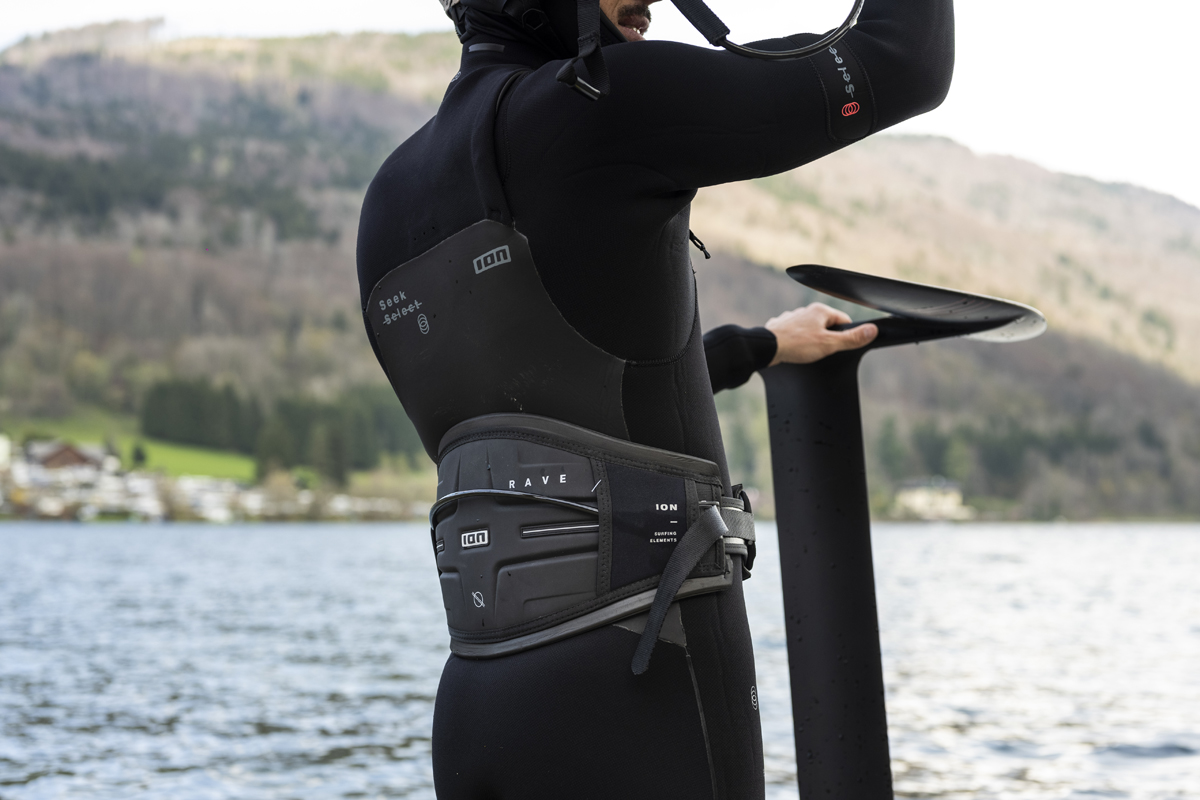
Drying is a fundamental step in preserving the characteristics of neoprene.
Follow our advice to dry your wetsuit correctly:
- Avoid direct exposure to sunlight, which can cause the material to degrade, making it stiff, dry and prone to cracking.
- Always dry your wetsuit in the shade, in a well-ventilated place away from direct heat sources such as radiators or heaters.
- Hang your wetsuit on a sturdy hanger suitable for its weight, preferably a padded hanger or one specifically designed for wetsuits, to prevent it from becoming misshapen around the shoulders.
- If it is a thick, heavy winter wetsuit, hang it upside down (by the legs) to better distribute the weight and prevent deformation.
- Never use tumble dryers or hairdryers, as these can irreparably damage neoprene.
Tips for making your wetsuit last longer: protection and care
Now here are some tips on storing your wetsuit. When your wetsuit is completely dry, store it in a cool, dry place away from direct sunlight.
If you do not plan to use it for a long period of time, take some additional precautions. Clean the zip thoroughly with a soft brush to remove any salt or sand residue and lubricate it with paraffin, neutral soap or beeswax. Avoid using silicone-based lubricants, as these can damage neoprene. Leave the zip slightly open to allow air to circulate.
Then dust the cuffs and collar with talcum powder to prevent them from sticking or drying out.
How to fold your wetsuit?
To store your neoprene wetsuit correctly, avoid sharp folds that could damage the material. The best way is to roll it up gently starting from the legs and then wrap the sleeves around it to minimise stress on the seams. Alternatively, you can also hang your wetsuit on a hanger, taking care to distribute the weight evenly to prevent deformation and keep its shape intact over time.

Repairing your wetsuit: act immediately to prevent further damage
Even the most durable wetsuits can suffer damage from accidental impacts, abrasions or cuts. It is essential to repair any damage promptly to prevent it from spreading and compromising the integrity of the wetsuit.
Small cuts and unstitched areas: how to repair them yourself
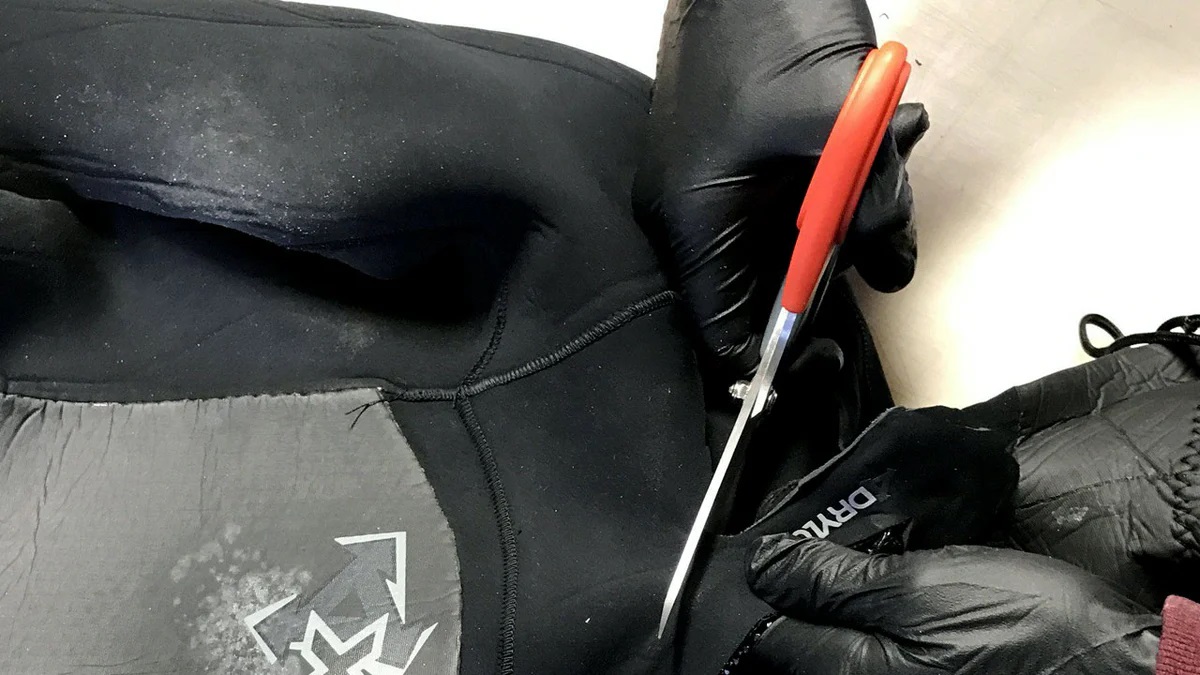
For DIY repairs, minor damage such as superficial cuts or unstitched areas can be repaired using a specific neoprene sealant.
Before applying it, it is important to thoroughly clean and degrease the damaged area with a mild solvent, such as isopropyl alcohol, and allow it to dry completely.
Next, spread a thin layer of mastic on both edges to be glued and wait about 5-10 minutes (or as indicated by the manufacturer). At this point, join the parts together, aligning them precisely, and press firmly for a few minutes. For optimal adhesion, you can use pliers or clamps to ensure that the glue adheres deeply.
Extensive damage and holes: a neoprene patch is the solution
In the case of more extensive damage or severely compromised seams, it may be useful to contact a centre specialising in neoprene wetsuit repairs, which has professional materials and advanced techniques that can extend the life of the wetsuit without compromising its performance.
Alternatively, if you want to do it yourself, applying a neoprene patch is the most effective solution.
Use a neoprene repair kit that contains neoprene patches of different sizes and shapes, specific glue and, if necessary, a needle and thread for sewing. Follow these steps:
- Clean and degrease the damaged area and the patch to be applied thoroughly.
- Cut the patch to a shape slightly larger than the damage and round the corners to prevent them from lifting.
- Apply a thin layer of mastic to both the wetsuit and the patch, then leave it to dry for a few minutes.
- Apply the patch, pressing down firmly for a few minutes.
For particularly large damage or in areas subject to stress, you can reinforce the patch by sewing the edges with a needle and thread specifically designed for neoprene.
Testing the wetsuit after repair
Before using the repaired wetsuit, it is essential to test the repair and ensure that there are no leaks. Put on the wetsuit and submerge yourself in water to check that no water penetrates the repaired area. If necessary, repeat the patch gluing process to ensure a perfect seal.
By following these tips, you can significantly extend the life of your neoprene wetsuit, keeping it in perfect condition for every new aquatic adventure. Remember, a well-cared-for wetsuit means comfort, safety and fun!

Photo Credit
Photo 1: MYSTIC
Photo 2: VESIURHEILU
Photo 3: VASTOPNEOPRENE
Photo 4: ION
Photo 5: SURF TODAY
Photo 6: WETSUITE CENTRE
Photo 7: MYSTIC
