Snowkiting: what it is, where to do it and the equipment needed for this extreme
  The 7 best kites of 2025
  Surfskate: what it is, how it works and how to choose the ideal surfskate board
  How to choose a Wing Foil board: a guide for beginners and intermediate riders
  The 5 best all-round wing foil wings of 2025
Watersports and the cold: a guide to choosing a winter wetsuit
To cope with cold waters in winter and to continue practising our beloved water sports freely, choosing the right neoprene wetsuit is crucial. Not all wetsuits for winter water sports are the same. They vary in material, thickness, type and accessories.
This guide will help you navigate through the available options to find the perfect wetsuit for your needs.
Types of winter wetsuits
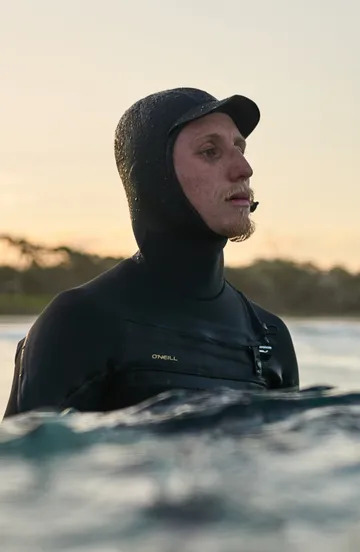
Before choosing a neoprene wetsuit, it is useful to know the various types available for winter use, each designed for different water sports and weather conditions.
- Full Suit or Steamer - The thermal full suit covers the entire body, including arms and legs, with adequate thickness for cold temperatures. It is the most common choice for cold waters and offers maximum thermal insulation in water sports.
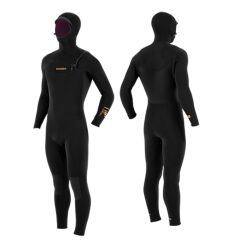
- Semi-drysuit - Similar to the full wetsuit, the semi-drysuit offers additional seals around the wrists, ankles and neck to minimise water ingress. Ideal for very cold temperatures and activities such as surfing, kitesurfing and wingFoil.
- Dry Suit - The dry suit offers maximum protection for harsh climates and conditions. Unlike a full wetsuit, it prevents water from penetrating and makes the wetsuit highly waterproof for overwater sports such as kiteboarding, windsurfing, surfing, SUP, etc.
- Winter Shorty - Used in mid-season or in not-too-cold winter climates, the winter shorty wetsuit has long sleeves, but only partially covers the legs.
Winter wetsuits and materials: the various types of neoprene
The most commonly used material for winter wetsuits is neoprene, due to its ability to insulate against the cold by retaining a layer of water heated by body heat. However, there are various types of neoprene, each with different comfort and fit characteristics:
- Standard Neoprene: Smooth classic neoprene offers good elasticity and thermal insulation. There are various quality grades, with a price difference depending on thickness and strength.
- Lined Neoprene: Some wetsuits are made of fabric-lined neoprene, such as nylon or polyurethane, to increase abrasion and wind resistance.
- Stretch Neoprene (Superstretch or Hyperstretch): For those seeking comfort and freedom of movement, this neoprene is extremely flexible and adapts better to the body, while retaining its thermal properties.
Wetsuit thickness: factors to consider
The thickness of a winter wetsuit is crucial to ensure proper thermal insulation when watersports are practised in colder climates. Men's, women's and children's winter wetsuits are often classified with two numbers, such as 5/4 mm, indicating the thickness of the neoprene in different areas of the body. Here is the guide to cold-water wetsuit thicknesses:
- 4/3 mm: For water from 10°C to 15°C, it offers a good compromise between flexibility and thermal protection.
- 5/4 mm: Ideal for waters between 7°C and 12°C. Thicker neoprene (5 mm) is used on the torso and back to better retain heat, while less critical areas such as the arms are 4 mm thick to improve mobility.
- 6/5/4 mm: Suitable for extremely cold waters below 10 degrees, i.e. between 3°C and 8°C. The torso part is 6 mm, the legs 5 mm and the arms 4 mm, for maximum insulation and comfort.
Closure Systems: Front Zip, Back Zip and Zipless
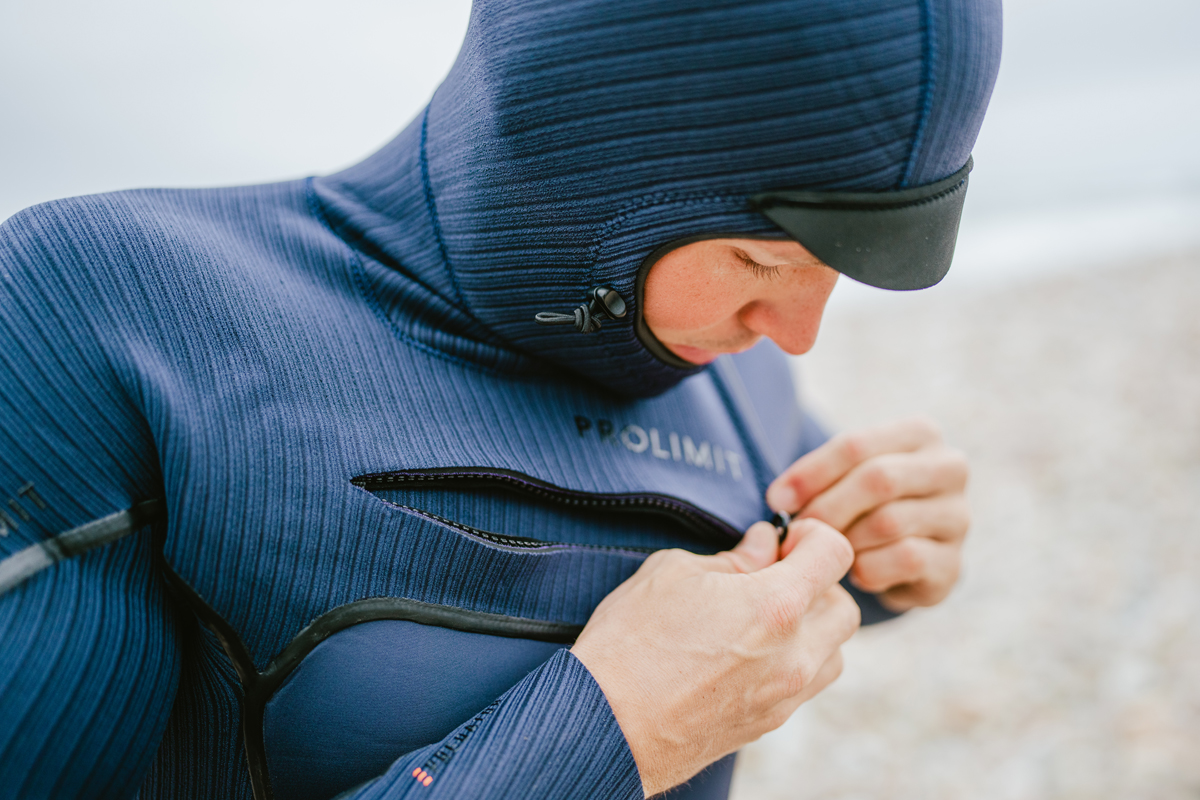
The closure of the winter thermal wetsuit for water sports affects the ease of donning and protection from water ingress. Wetsuit manufacturers have different types of zips or alternative closures positioned differently on the body. These are the most common wetsuit closure technologies:
- Back Zip: The back zip makes the wetsuit easy to put on and take off, but may allow more water to enter.
- Front Zip (Chest Zip): Offering better protection from water, it is a little more difficult to wear but is preferred for surfing and other cold-water activities.
- Zipless: Some wetsuits of the latest generation have no zip, due to the elasticity of neoprene, minimising water ingress and increasing comfort.
Integrated accessories, seams and extra supports
Some winter wetsuits for watersports enthusiasts offer integrated accessories that improve both comfort and insulation. Among these winter suit accessories are:
- Thermal linings: Some wetsuits are equipped with fleece linings or thermal materials on the inside, which help retain heat better.
- IntegratedHood: For extremely cold waters, some wetsuits have an integrated hood to prevent heat loss from the head. An example is the Manera Seafarer Hooded 5/4.
- Sealed cuffs and ankles: Silicone or rubber seals on cuffs and ankles to prevent cold water from entering.
Also very important are the seams of winter wetsuits for water sports, which can be of two types:
- Flatlock - This is a fast and classic seam where the needle pierces the neoprene in several places. Obviously these micro-holes allow water to seep through, so if you find it in a winter wetsuit, it is synonymous with low quality.
- Glued or Blind Stitched - This stitching bonds the various neoprene panels together and then perforates the material on one side only, limiting water ingress. The seams themselves are then heat-sealed on the inside or outside and covered with a special seam tape. They represent the ultimate in winter wetsuits.
Other winter essentials
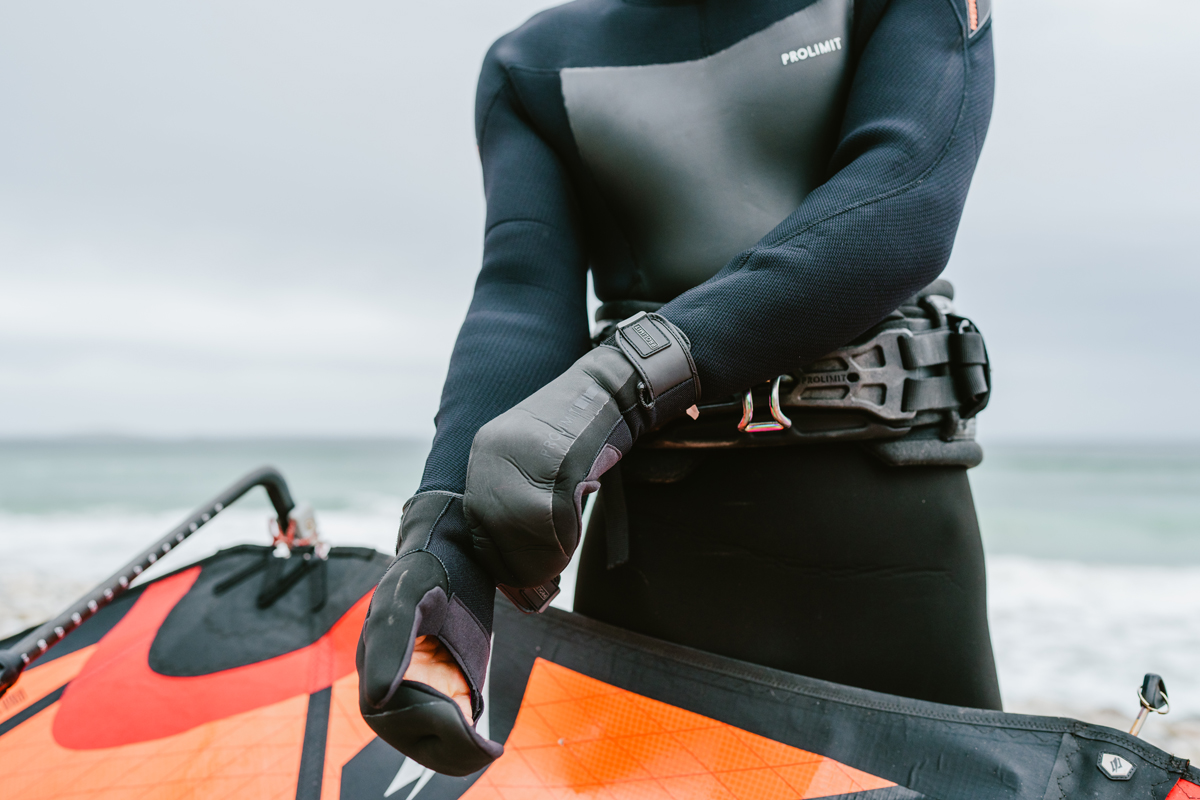
Besides the wetsuit, there are other accessories that can make your cold-water experience safer and more comfortable:
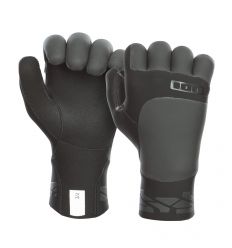
- Neoprene Gloves - Neoprene gloves are essential to keep hands warm. The choice of thickness (usually between 3 and 5 mm) depends on the water temperature.
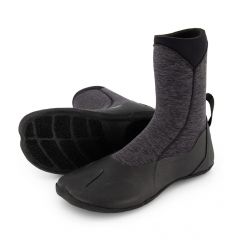
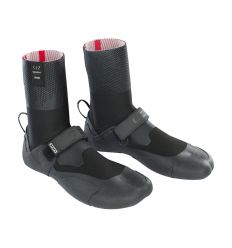
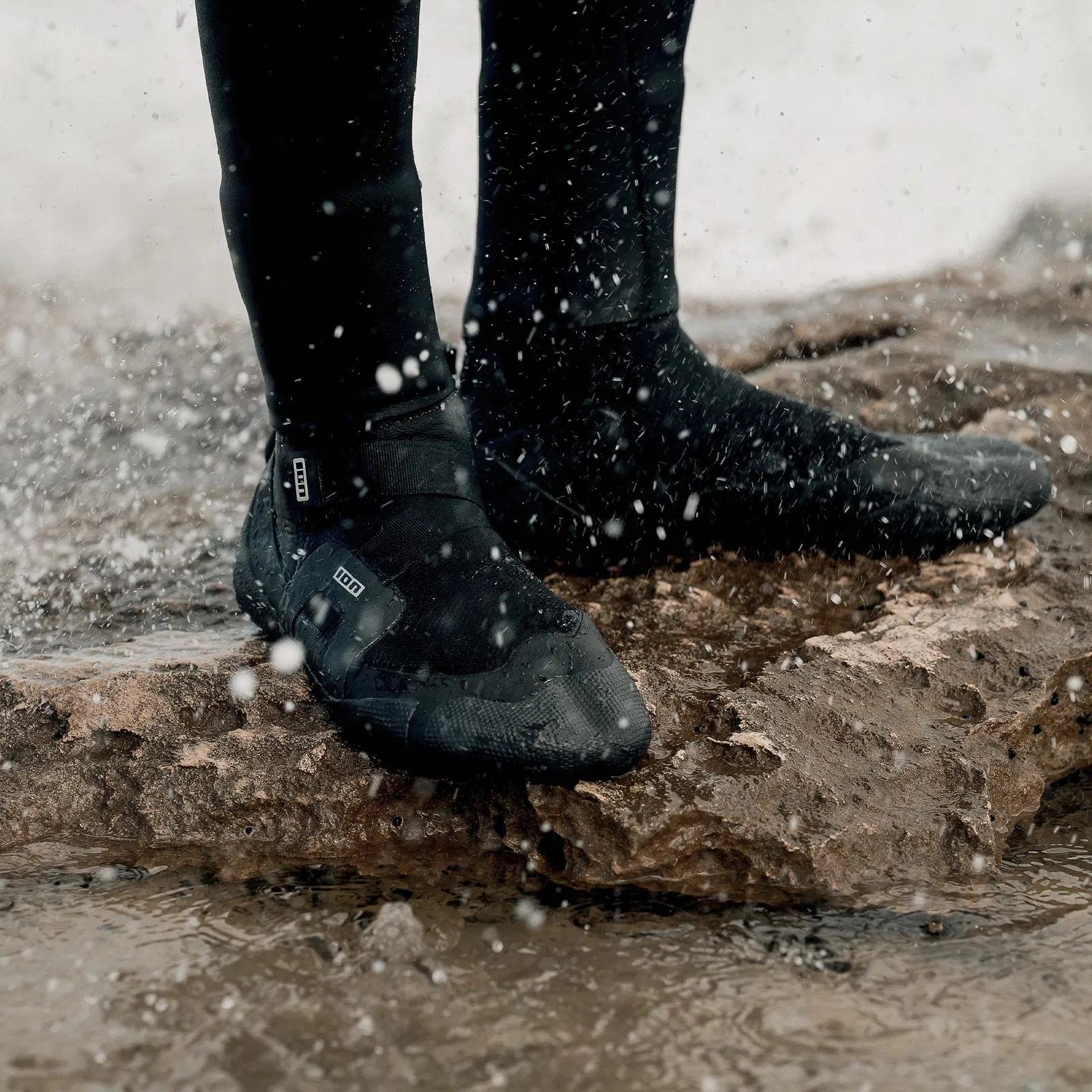
- Neoprene boots - Feet also need protection. The boots are available in different thicknesses and can be ankle or calf high.
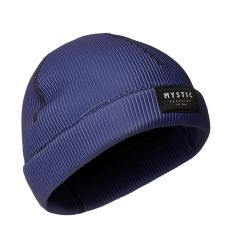
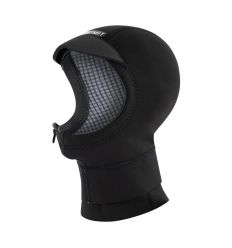
- Neoprene hood: If the wetsuit does not have an integrated hood, a separate hood is indispensable to protect the head from the cold.
How to choose the right watersports thermal protection for you!
Choosing your winter wetsuit requires attention to many factors: wetsuit type, thickness, fastening system and materials. Also consider your activities (surfing, kitesurfing, wing foil, SUP, etc.) and the typical temperatures of the waters you will be diving in. With a wetsuit suitable for winter conditions and the right accessories, you will be able to tackle cold waters safely and comfortably, enjoying the sea experience even in the harshest season.
Photo Credits
Photo 1: MANERA
Photo 2: O'NEIL
Photo 3: PROLIMIT
Photo 4: ION
Photo 5: PROLIMIT