Snowkiting: what it is, where to do it and the equipment needed for this extreme
  The 7 best kites of 2025
  Surfskate: what it is, how it works and how to choose the ideal surfskate board
  How to choose a Wing Foil board: a guide for beginners and intermediate riders
  The 5 best all-round wing foil wings of 2025
Wing foil, kiteboarding and windsurfing: sailing sports compared
Sailing sports are a fascinating mix of adrenaline, technical skill and connection with nature. Among the most popular disciplines are Wing Foil, Kiteboarding and Windsurfing. Although they share the element of wind as a driving force, each of these sports offers a unique experience. Which is why enthusiasts often start with one and end up practising all three, depending on practical needs and the prevailing weather scenario.
In this guide, we'll look at the main features, advantages and challenges of each discipline to help you work out which one might be best for you.
foto
Windsurfing: breathtaking glides and total versatility
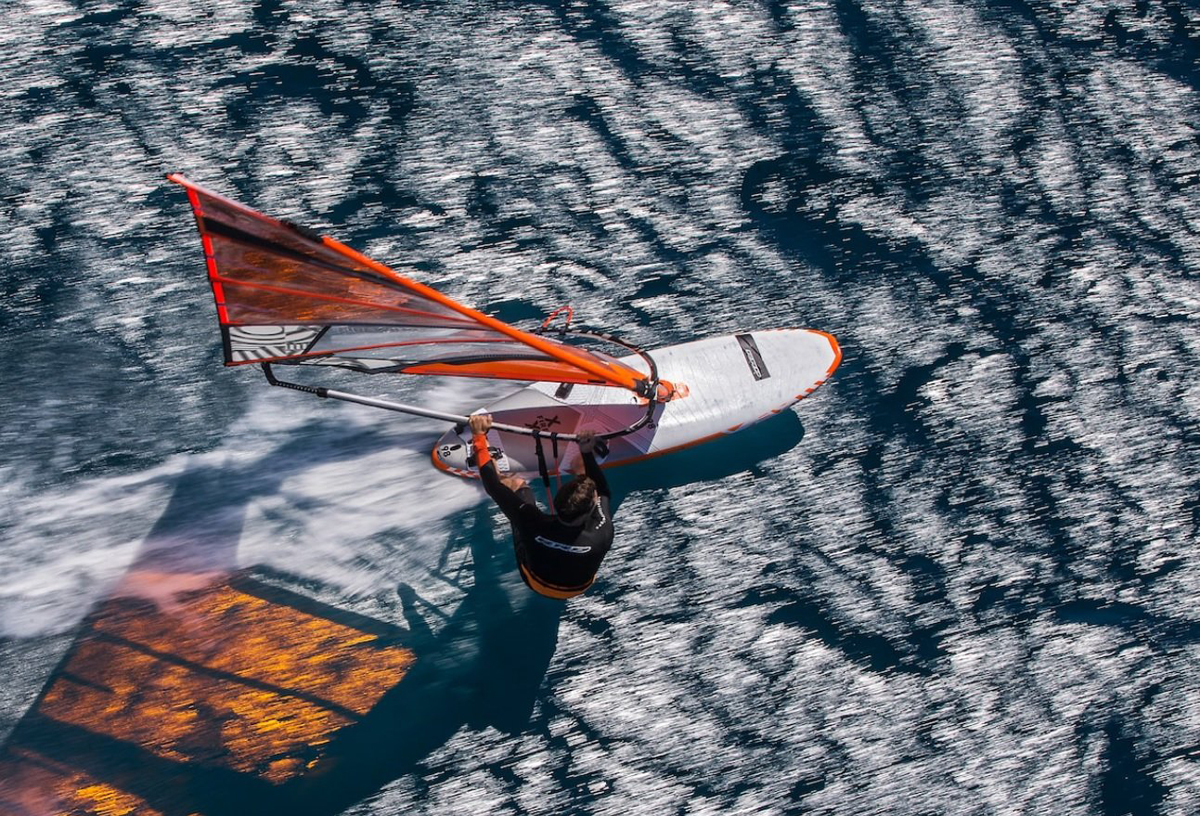
Let's start with windsurfing, which is the most traditional and long-lived of the three sailing sports. It actually exploded in the early 1980s, has thousands of fans worldwide and is still an Olympic discipline in the IQFoil class. It consists of using a board equipped with a sail mounted on a fixed mast that the practitioner controls directly with his hands, via the “boom”. Windsurfing requires good balance, a lot of technique and fine control to manoeuvre the sail and board. It therefore requires time and practice to develop excellent skill and coordination with a rather steep learning curve.
However, it gives fantastic sensations, incredible speed and breathtaking glides. It also adapts to different wind conditions and can be practised in light breezes as well as in strong winds. You just need to choose the right equipment. For example, a larger, more stable board for beginners and a smaller, lighter board for experts. As for the sail, sizes vary depending on wind conditions and the rider's experience.
One of the aspects most appreciated by practitioners is that windsurfing allows continuous evolution and riders can always learn new manoeuvres and tricks. On the downside, there is the bulk and weight of the equipment, with the board, mast, boom and sail being difficult to transport.
Kiteboarding: stellar jumps and essential equipment
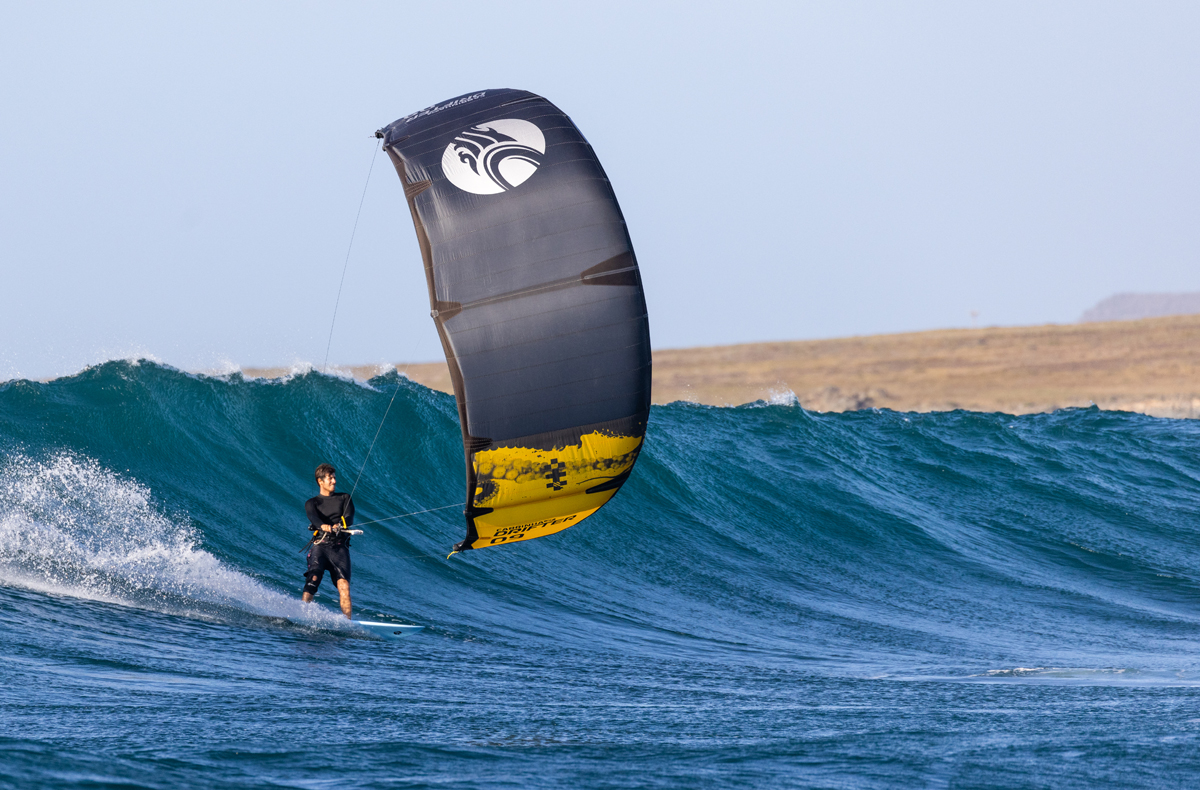
Kiteboarding is a sailing sport that in just under 30 years has depopulated beaches all over the world and will make its debut at the Paris Olympics in 2024. It uses a kite that catches the wind to tow the rider on a small board that glides over the water. The sport is known for its speed and spectacular evolutions, in particular jumps, spins and tricks that can be performed in the air thanks to the kite's thrust.
The equipment is essential, although very technical. There is the kite, available in different shapes and sizes depending on wind conditions and the rider's style. The control bar is used to steer the kite and is connected via a harness (trapeze for safety and convenience) to the rider's body. Finally, there is the board, similar to a wakeboard, with or without foot straps (straps to fully adhere to your board).
Among the aspects that enhance kiteboarding are the speed and spectacular jumps, the relatively light and easy-to-carry equipment, and the wide range of action, as it allows long distances to be covered and various conditions to be tackled. On the other hand, it requires a large space to launch and manoeuvre the kite, both in the water and on land, constant and adequate wind to be practised safely and maximum concentration to avoid possible accidents.
Wing foil, maximum freedom and water-tight edges
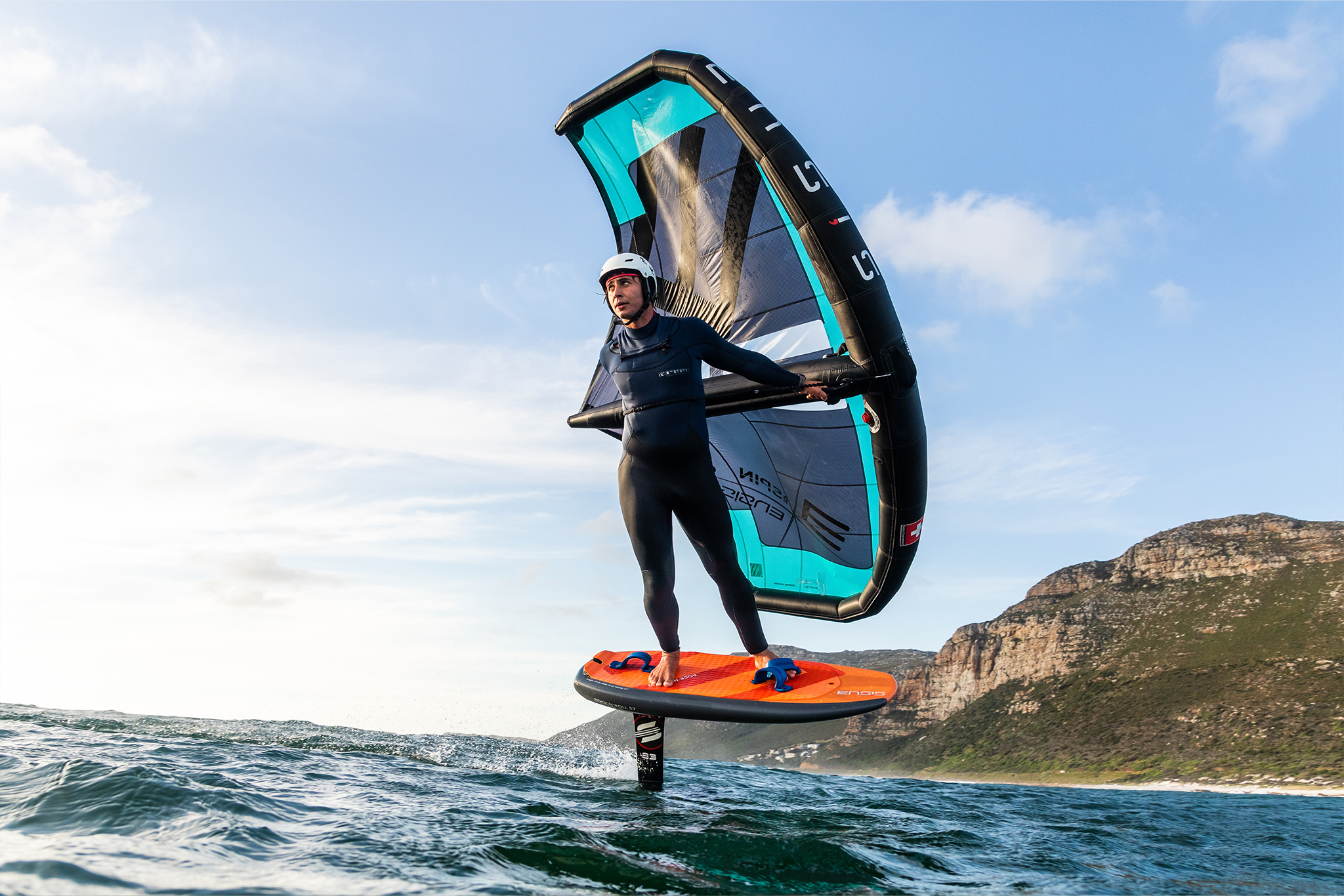
Wing foil is the most recent innovation in sailing sports. In this discipline, the practitioner uses an inflatable wing (lightweight and manoeuvrable wing) that he holds with his hands while standing on a board equipped with a hydrofoil, i.e. a long, thin fin that allows the board to rise above the surface of the water.
The success of the wing foil is mainly due to the smooth and silent sailing experience it provides, its relatively simple equipment and its extreme versatility. It can in fact be practised in light winds, between waves and on different surfaces (water, snow, sand). Compared to kiteboarding, it also requires less space and learning it can be easier than windsurfing.
To achieve maximum performance, however, wing foil requires a lot of practice and precision. Good balance is required to handle the board and sail, especially in variable conditions. The cost of the complete equipment can also be high.
Three similar and different disciplines. Which one to choose?
Windsurfing is definitely the ideal sport for those who enjoy direct control and the traditional feel of sailing, as well as a wide variety of styles, from calm gliding to intense action in the waves. Kiteboarding is perfect for those seeking thrills, high jumps and speed. While Wing Foil is the right choice for those who want a new challenge, with an unparalleled feeling of freedom and lightness.
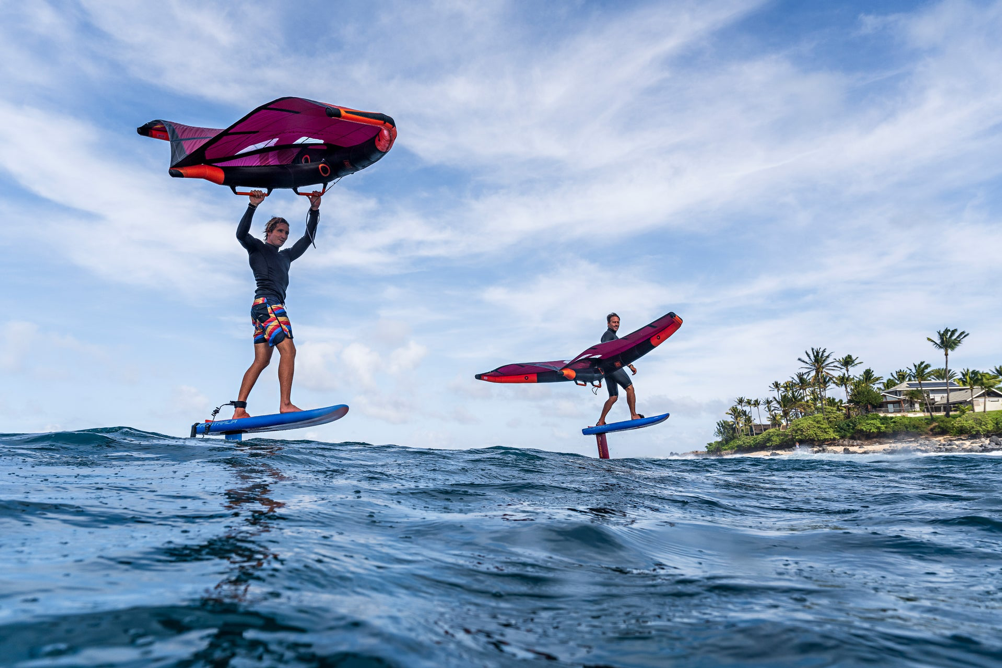
Hand-sailing surfing: Which one to choose?
Whether you choose windsurfing, kiteboarding or wing foil, each of these sailing sports will offer you the chance to experience the sea and wind in exciting and unique ways. The decision on which discipline to embrace will depend on your personal preferences, the environmental conditions in which you practice and the type of experience you seek. At Kiteworldshop you will find a wide selection of products and equipment from the best brands and at super discounted prices!
Whatever your choice, get ready to have fun and challenge yourself in a fascinating adventure!
Photo Credit:
Photo 1: RRD
Photo 2: CABRINHA
Photo 3: ENSIS
Photo 4: NEILPRYDE